What the West's Best Engineer Can Teach Us About Wildfire Resilience
As wildfire seasons grow longer and more destructive across the Pacific Northwest, architects, planners, and land managers are increasingly looking to nature for answers. One of the most compelling solutions isn't a new technology or a zoning code amendment. It's a 40-pound rodent with orange metal teeth and an obsessive need to build.
The beaver — Castor canadensis — may be the most effective wildfire mitigation engineer on the continent. And it's been doing the work for millions of years.
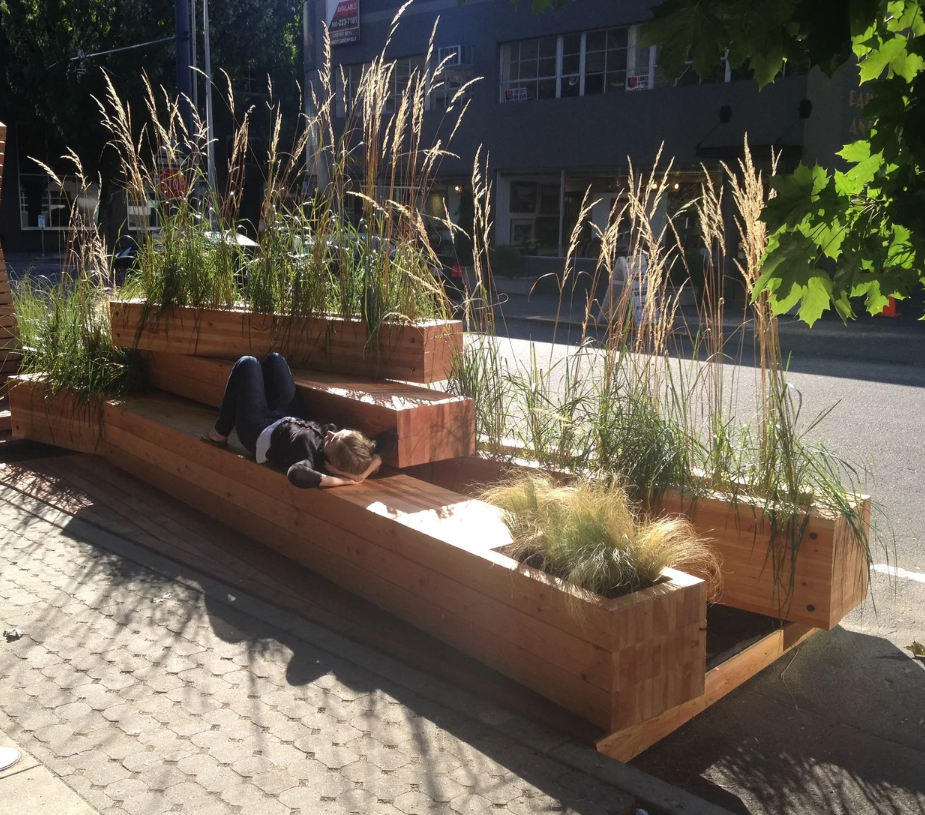
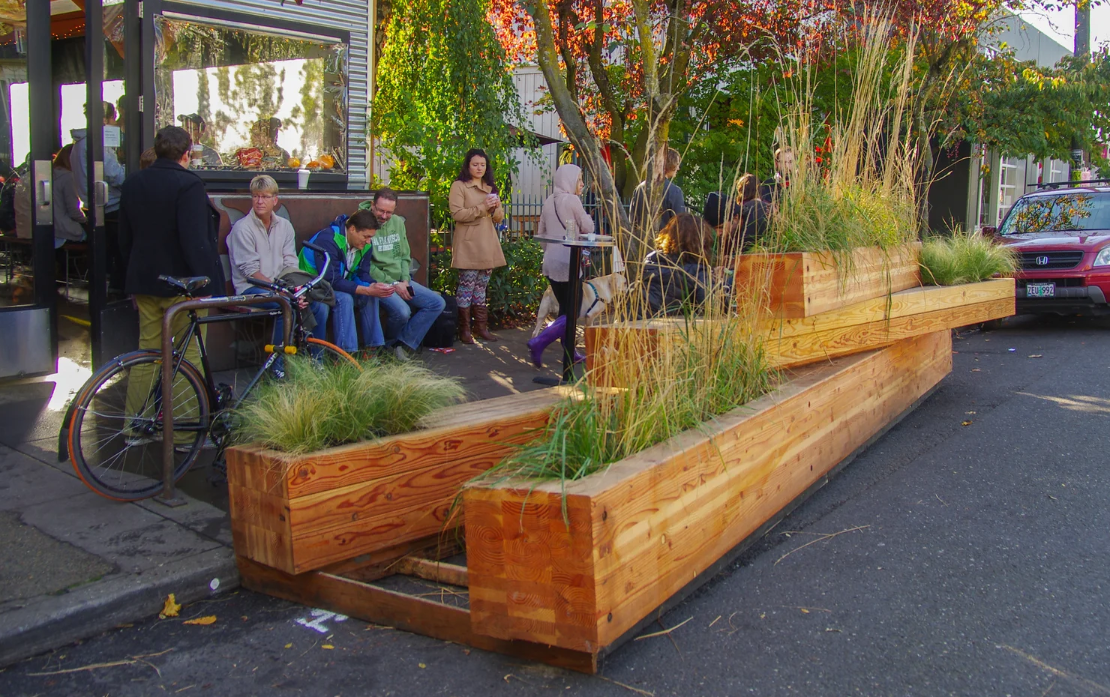
Log Dam Street Seat, Designed and built by Collin Janke, Nick Beyers and Dan Petrescue, and Rob Slattery Construction
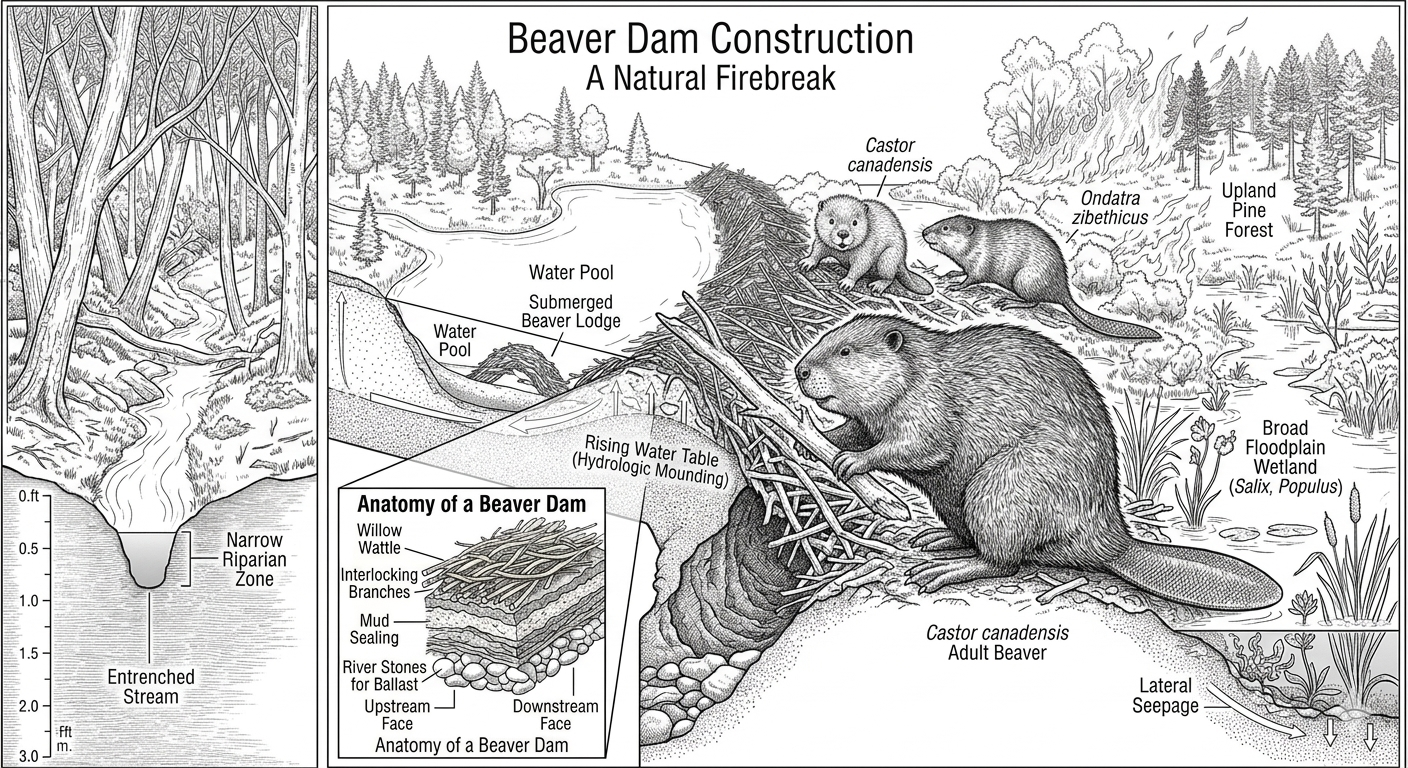
The Builder
A recent episode of Radiolab's sister show Terrestrials, titled "The Builders," follows a single beaver family in California and how their activity saved acres of land from burning. The episode features researcher Dr. Emily Fairfax, whose peer-reviewed work has put hard numbers to what many ecologists suspected but couldn't prove: beaver-dammed landscapes are dramatically more fire-resistant than those without.
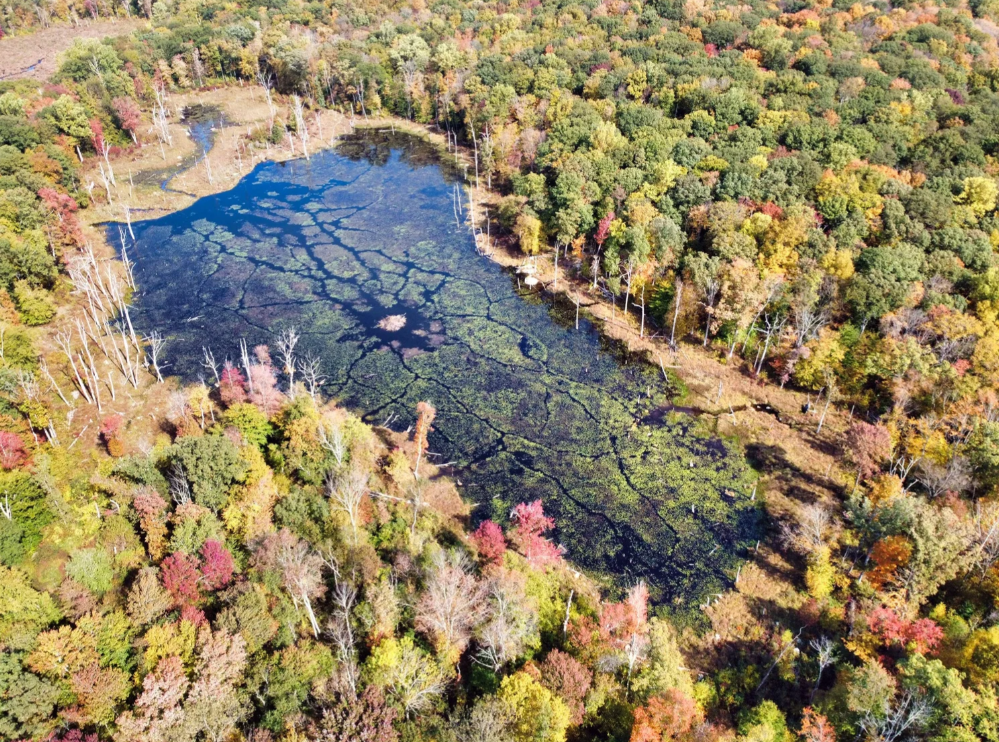
Fairfax found that riparian zones with beaver activity were three times less affected by wildfires compared to similar zones without beaver activity. In short, places with beavers stayed green.
The mechanism is elegant. Beavers build dams, dig channels, and change small streams into broad wetland areas, keeping plants green and lush even during periods of drought. When a fire ignites, the green vegetation near the beaver ponds is far more difficult to burn than dry vegetation elsewhere, and the fire takes the path of least resistance. As Fairfax puts it, it's the same reason you don't start a campfire with wet sticks.
These saturated corridors don't just resist flame — they become what researchers call "emerald refuges": lifeboats for a broad menagerie of amphibians, reptiles, birds, and small mammals that hunker down in these beaver-built sanctuaries while fire races through surrounding terrain.
A History of Removal — and Return
Between 60 and 400 million beavers once filled river valleys across much of the United States, but by the early 1900s, the fur trade had nearly eradicated the species. Today there are an estimated 15 million beavers nationwide. Their loss didn't just affect wildlife — it dried out the landscape, made streams run faster and hotter, and removed the natural water-storage infrastructure that watersheds across the West depended on.
The Terrestrials episode traces this history through a beaver named José, who returned to the Bronx River after a 200-year absence — not by accident, but because a community decided to clean up the river and let it recover. As author and "beaver believer" Ben Goldfarb puts it: "They'll store water for us. They'll capture pollution, they'll help us fight wildfires, they'll create habitat for all of the fish we like to eat and the birds we like to watch. They do all of this stuff for us, if we let them."
Learning from the Lodge
What does this mean for how we build and plan in the Pacific Northwest?
The beaver's approach to its own survival is a masterclass in what designers call multi-solving — building something that serves your immediate needs while regenerating the ecosystem around you. A beaver doesn't separate its "home" from its "landscape strategy." The dam is both shelter and watershed management. The pond is both refrigerator and fire insurance.
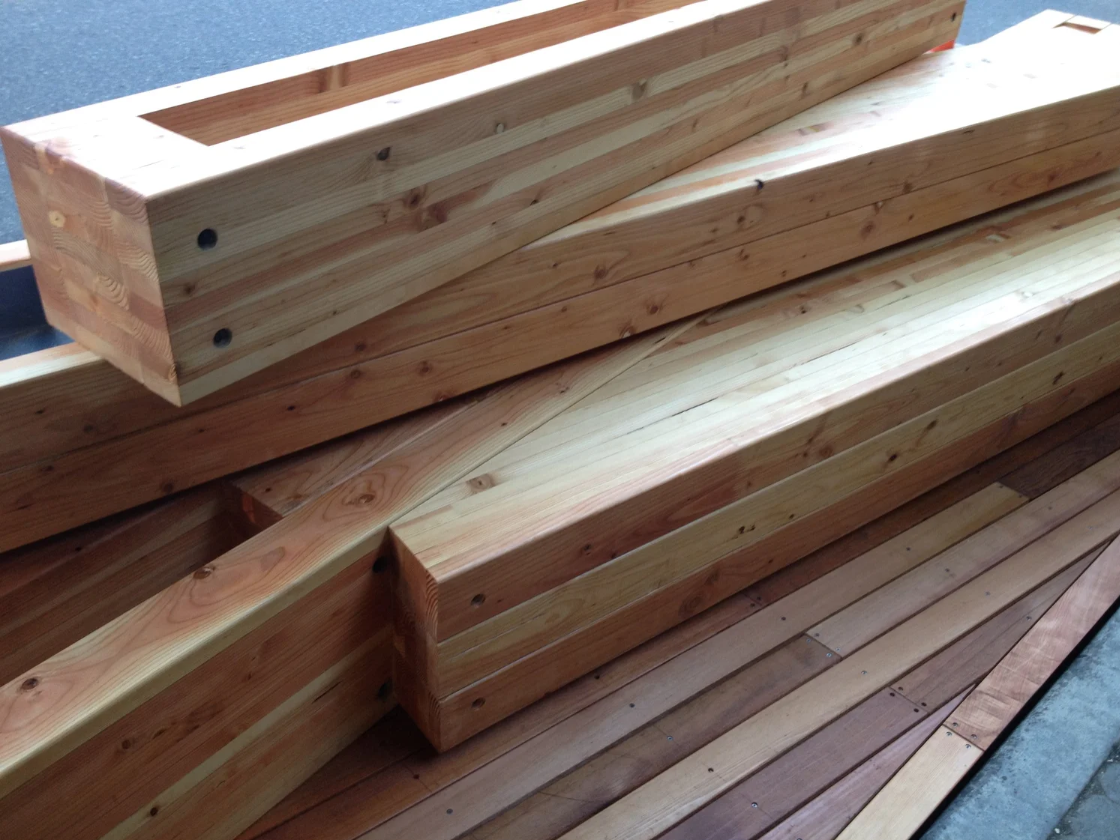
Building with wood, storing carbon
The beaver's relationship with wood goes beyond engineering — it's a closed-loop material economy. Beavers fell trees, use them structurally, and when the lodge eventually breaks down, that material returns to the forest system. There's a lesson here for how we think about building materials in the Pacific Northwest.
Wood is the only major structural building material that stores carbon rather than emitting it. When a Douglas fir or western red cedar is harvested and built into a home, the carbon that tree absorbed over decades of growth is locked into the structure for the life of the building — and potentially beyond, if the material is salvaged and reused. By contrast, producing a ton of concrete releases roughly 800 kilograms of CO₂. Steel is similarly carbon-intensive. In a region defined by its working forests — where Oregon and Washington together produce more softwood lumber than any other area in the country — choosing wood as a primary structural and finish material is both an ecological and an economic act of place.
At Janke Architecture, we design with wood as a first principle. From heavy timber framing to cross-laminated timber (CLT) panels to carefully detailed wood interiors, we treat the material as what it is: a renewable, carbon-storing, regionally abundant resource that connects a building to the landscape it sits in. The beaver understood this long before we did. It doesn't import steel or pour concrete. It builds with what the watershed provides — and in doing so, makes the watershed more resilient for everything that depends on it.
We can draw direct lessons for how we think about development at the wildland-urban interface here in Oregon:
Embrace low-tech water retention. Beaver-inspired strategies — sometimes called Beaver Dam Analogues (BDAs) — are already being used in stream restoration projects across the West. Even in places without beavers, humans are building low-tech imitation dams as part of restoration efforts, and often beavers will then be relocated or arrive on their own. At the site and watershed scale, slowing water down — through bioswales, retention ponds, and restored riparian buffers — reduces fire risk and increases drought resilience simultaneously.
Protect and restore riparian corridors. In siting new development near waterways, the instinct is often to engineer the waterway to accommodate the building. The beaver inverts this: build around the water, not over it. Preserved stream corridors aren't just environmental amenity — they're fire breaks.
Design for ecological function, not just aesthetic. Emily Fairfax notes that beavers "don't pull permits or submit design plans" — and yet their chaotic, relentless building creates some of the most climate-resilient landscapes on the continent. The question for architects and site planners isn't just "what does this look like?" but "what does this do for the land around it?"
Support beaver reintroduction. Oregon has active beaver populations and a growing interest in using them as land management partners. Employing smarter, more humane policies — using nonlethal flood-prevention devices and relocating problem individuals rather than killing them — could heal our relationships with beavers and with wildfire alike.
The Mantra
The Terrestrials episode ends with a challenge: be more beaver. Build things that mend rather than harm the land around you. Store water. Create habitat. Slow things down.
That's not a bad aspiration for an architecture practice, either. The best buildings we can imagine for the Pacific Northwest aren't fortresses against a burning landscape — they're participants in a resilient one.
Bring the beaver principle to the roof. The same logic that makes beaver wetlands fire-resistant — keep vegetation saturated, make ignition difficult — applies directly to buildings. Extensive green roofs can function as ember-resistant surfaces that disrupt fire propagation, effectively extending defensible space principles to the roof level. The key is plant selection: sedums and other succulents are naturally flame-resistant and won't contribute to the spread of fire, while grasses can propagate flame spread under drought conditions. The City of Portland has recognized this distinction, and the industry standard ANSI/SPRI VF-1 now acknowledges that data supports the classification of succulent-based systems as Class A fire resistance. A well-designed sedum roof doesn't just reduce stormwater runoff, moderate building temperatures, and extend membrane life — in fire-prone conditions, it behaves like a patch of beaver-tended riverbank: too wet and low-fuel to catch.
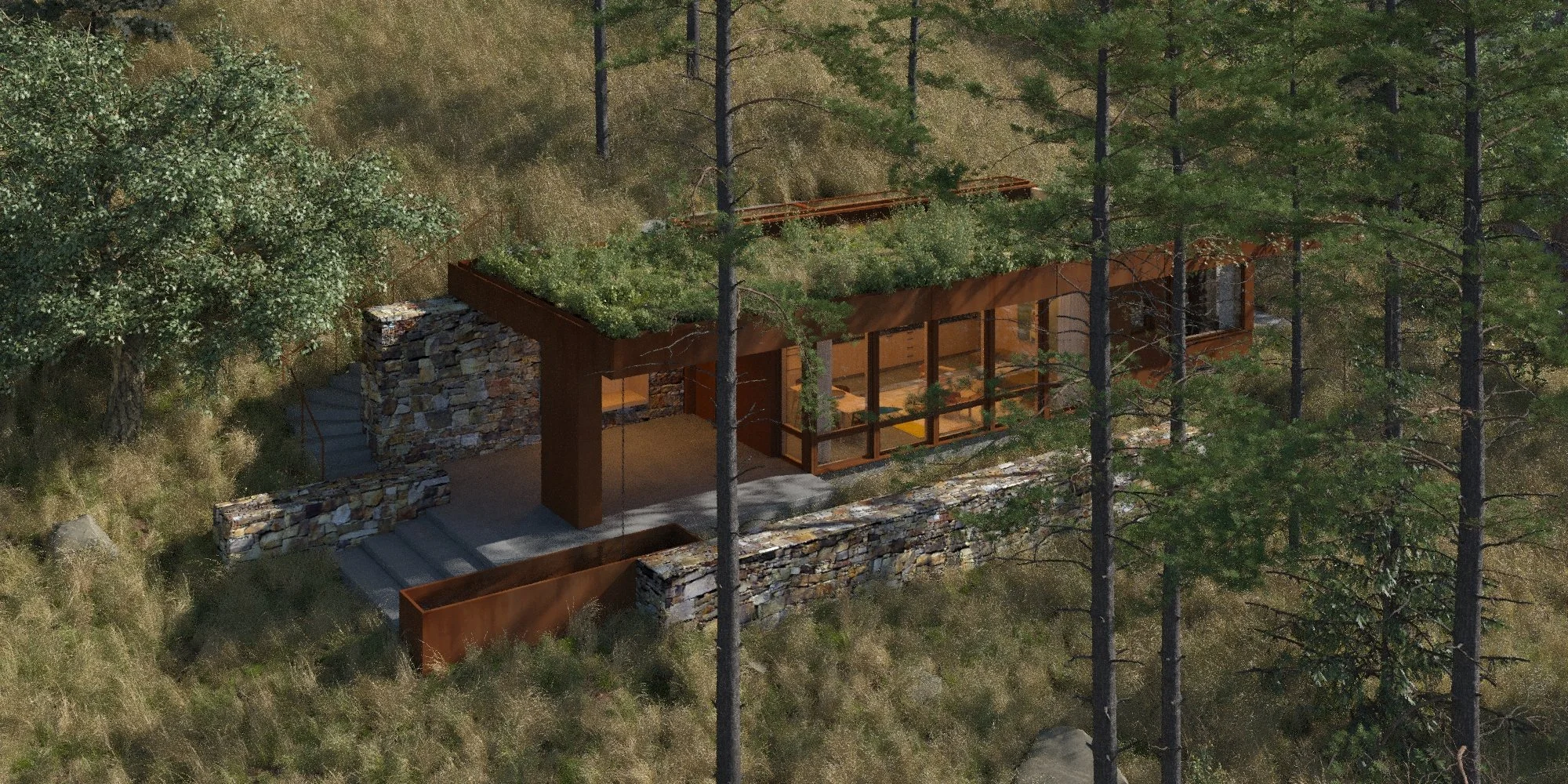
Green Roof Design for the Maya Way Guest House in Mosier by Janke Architecture
Inspired by the beaver? At Janke Architecture, we design homes and buildings that work with the Pacific Northwest landscape — not against it. If you're thinking about building or renovating with wildfire resilience in mind, we'd love to talk. Reach out at collin@jankearchitecture.com or visit our contact page to start the conversation.
Further listening: "The Builders: How Beavers Mend Our Planet" — Radiolab / Terrestrials (radiolab.org). Further reading: Ben Goldfarb, "Eager: The Surprising, Secret Life of Beavers and Why They Matter."
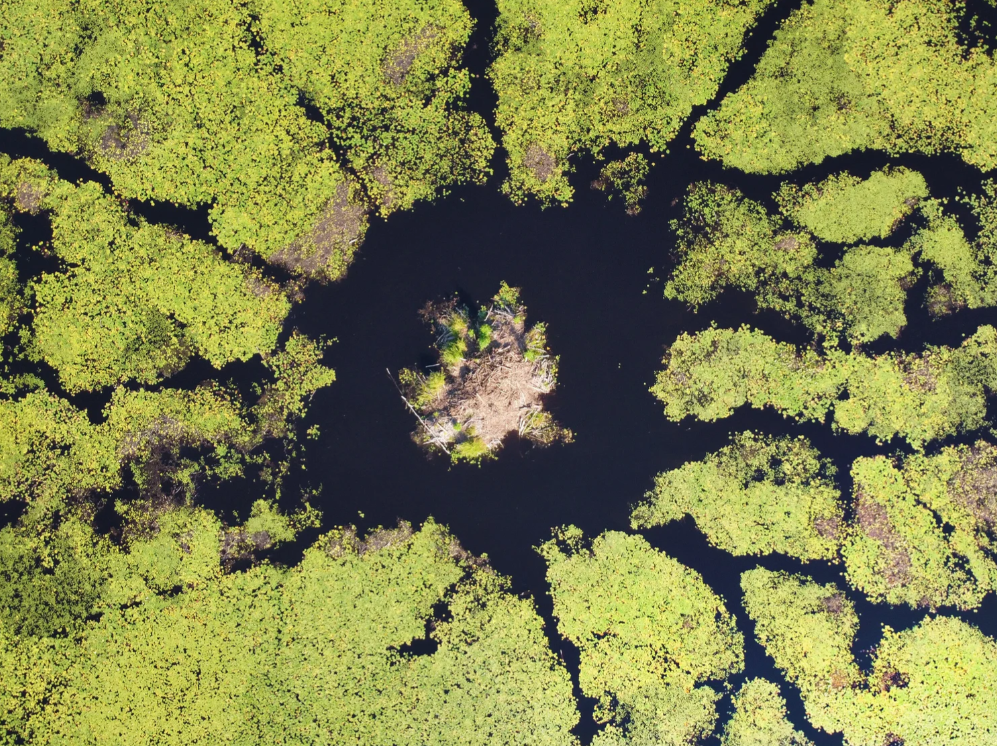
Check out more photos of beaver dams and lodges at beavermatters.org.